















For years, the regime in Tehran has tried to act like the protector of all Muslims, using the tragedy in Gaza to win hearts in the Arab world. But a massive new uprising in the country’s own backyard has exposed a much darker reality.
A powerful new coalition called the “Mobarizoun Popular Front” (MPF) has declared open support for a rebellion in the Sunni-majority province of Sistan and Baluchistan, turning what was once general unrest into a clear, organized sectarian war.
The implications are clear: the “Axis of Resistance” is not just shrinking—it is being forced to turn its guns inward. This “Mobarizoun Shock” is the moment Tehran’s claim to lead the Muslim world was proven to be a dangerous fiction.
The MPF is not just a group of angry protesters; it is a calculated revolutionary force. It brings together several Baloch organizations, including the veteran militant group Jaish al-Adl, seeking what they call “deep political change.” Their chosen name, “Mobarizoun,” is a direct hit at the regime’s religious legitimacy, referencing the elite duelists from the dawn of Islamic history. By using this name, the MPF is telling the Iranian people that they are the new vanguard, the ones who will finally stand up to a clerical elite they see as corrupt and exclusionary.
The speed of this has stunned the IRGC. In just 48 hours, protests exploded across 22 of Iran’s 31 provinces. This isn’t just happening in Tehran’s wealthy neighborhoods. The fire is spreading to small, rural towns where the security forces are stretched thin and have already begun using live ammunition to stop the bleeding in provinces like Lorestan and Fars.
The hypocrisy of the caliphate
For the last two years, Tehran has played the “Gaza card” with relentless focus, especially in North African countries like Algeria and Tunisia. By posing as the sole defender of Sunni Palestinians, the regime hoped to radicalize the “Sunni street” and paint Arab leaders who normalized ties with Israel as traitors. In Algeria, Iran even went as far as supporting the Polisario Front to destabilize regional rivals.
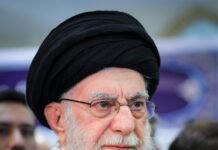
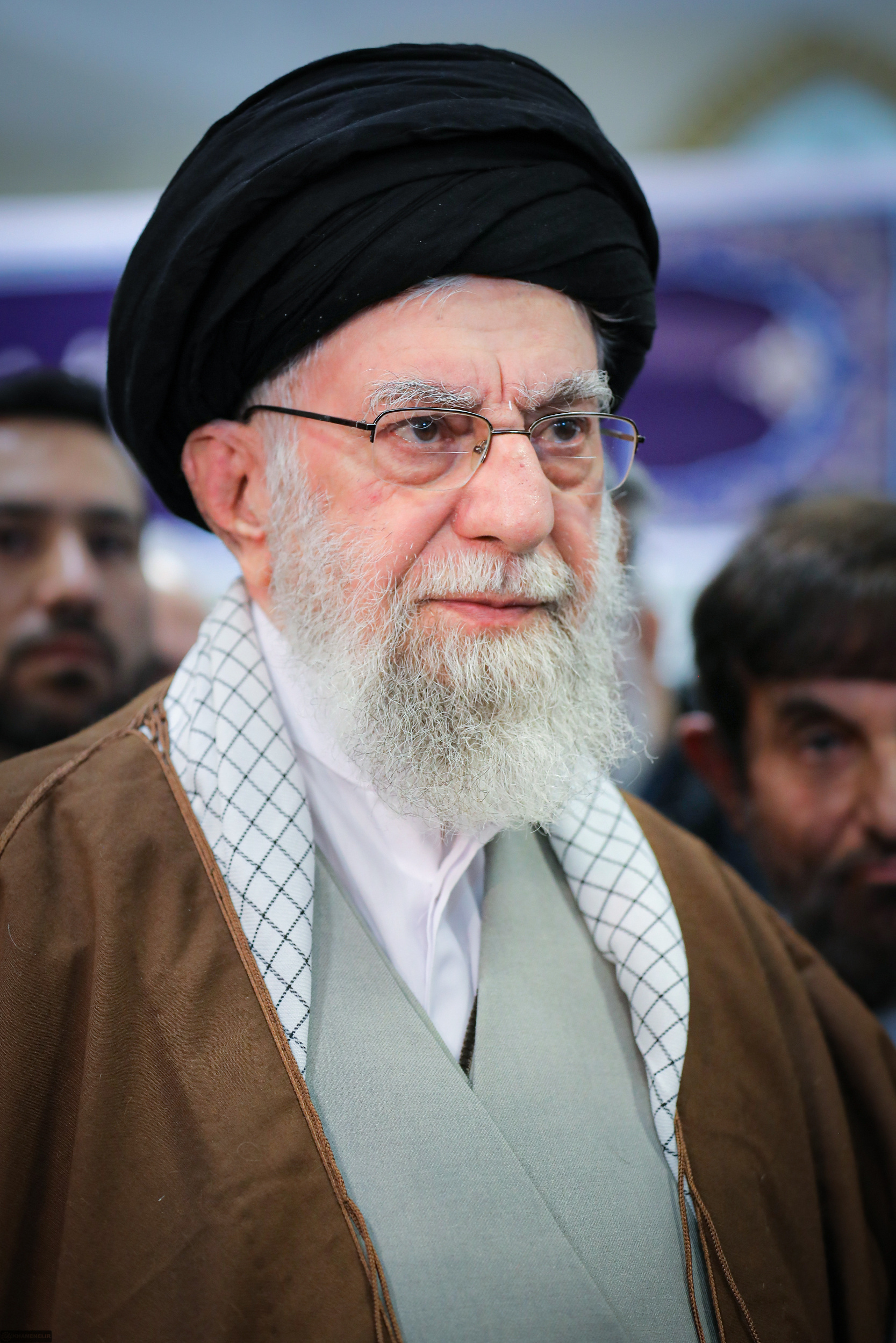
Iranian Supreme Leader Ali Khamenei
Tehran cannot claim to be the champion of Sunnis in Gaza while it executes and starves its own Sunni minority at home. Sistan and Baluchistan is the most neglected corner of Iran, ranking at the absolute bottom in every measure of poverty, health and employment. While Supreme Leader Ali Khamenei gives speeches about “Islamic unity,” his Basij paramilitaries are raiding hospitals to drag away wounded protesters. For the Sunni public in North Africa, the mask is finally off: Iran is not an Islamic leader; it is a sectarian occupier.
The IRGC’s retreat: from the Mediterranean to the border
The timing of this internal collapse couldn’t be worse for the IRGC. The 30-year dream of Ali Khamenei and the late Qasem Soleimani—a “ring of fire” around Israel—has effectively turned into a ring of fire around Tehran.
In Syria, the collapse of the Assad regime in late 2024 left a vacuum that Iran can no longer fill. The new interim government in Damascus, led by Ahmad al-Sharaa, is already cutting deals with the West and Turkey to dismantle Iranian military bases in exchange for sanctions relief. In Lebanon, a weakened Hezbollah is being squeezed by a resurgent national army and intense Israeli pressure.
Now, the IRGC faces a desperate choice. With the MPF launching coordinated attacks in the southeast, Tehran is being forced to pull its elite Quds Force units and financial resources out of the Levant and send them to the Pakistani border. The regime has already announced a massive three-billion-euro project to build concrete walls and “intelligent” fences along its eastern frontiers. Every dollar spent on a wall in Baluchistan is a dollar that cannot go to a missile in Lebanon.
The emergence of the MPF means the fight for Iran’s future has moved into the sectarian heartlands. The regime’s old tricks—blaming “Zionist agents” and “foreign plots”—are no longer working. Even prominent clerics like Moulana Abdol Hamid are now saying that the Iranian people have reached a “dead end.”
As the IRGC shifts from aggression abroad to survival at home, the entire Middle East is shifting with it. The story of Sunnis in Baluchistan fighting for dignity is a narrative that Tehran’s propaganda machine cannot kill. The “Mobarizoun Shock” has done more than ignite an insurgency; it has exposed the hollow core of the Islamic Republic. For Israel and its new regional partners, the message is clear: the greatest threat to the Iranian regime is no longer outside its borders; it is within them.