




















Israeli Prime Minister Benjamin Netanyahu said on Wednesday that he will “of course” visit New York, despite threats by Mayor-elect Zohran Mamdani to have him arrested under an International Criminal Court warrant.
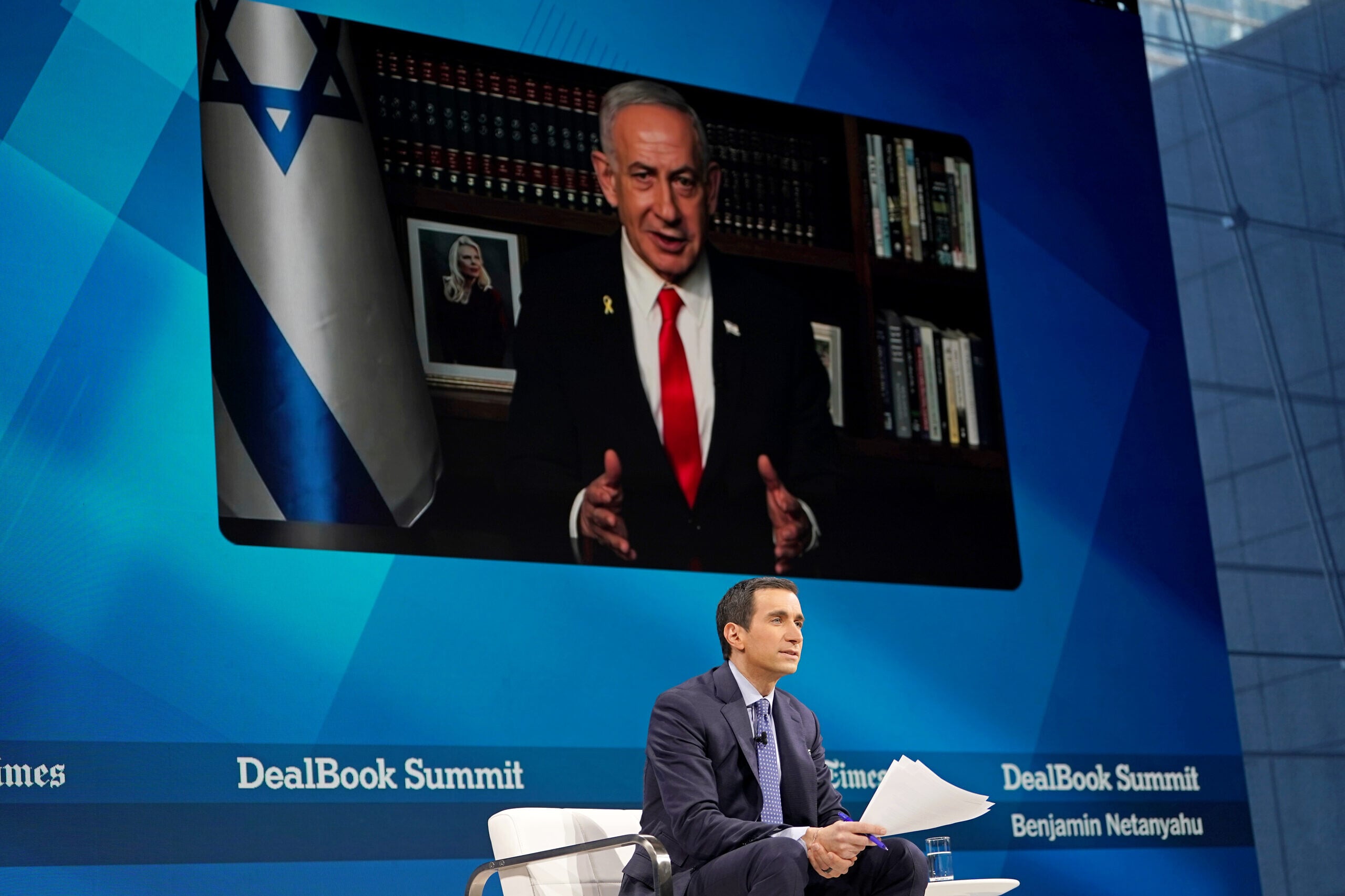
“I’ll come to New York,” the premier asserted in an interview via video link from Jerusalem with journalist Andrew Ross Sorkin at _The New York Times_ DealBook Summit. “Yes, of course I will.”
Asked by Sorkin, a _New York Times_ financial columnist and the founder of DealBook, if Israel’s longest-serving prime minister would want to talk to the 34-year-old democratic socialist, Netanyahu said, to laughter from the audience gathered at Jazz at Lincoln Center in Manhattan, that he would be open to the meeting if Mamdani “changes his mind and says that we have the right to exist, that’ll be a good opening for a conversation.”
Mamdani said on the campaign trail and after the election that he would seek to enforce a 2024 International Criminal Court arrest warrant against Netanyahu if he set foot in the city. The Muslim, left-wing politician, who has built his brand around harsh criticism of Israeli policies and opposition to Zionism, refuses to recognize Israel as a Jewish state.
Legal experts say it is unclear whether a New York mayor has authority to enforce ICC warrants, and an arrest is seen as unlikely. Israel and the United States are not members of the ICC.
During the nearly 30-minute conversation on a wide range of topics, Netanyahu denounced the ICC arrest warrant against him over alleged war crimes in Gaza and noted that ICC Chief Prosecutor Karim Khan has temporarily stepped aside amid sexual misconduct allegations.
The 76-year-old leader argued that the Israel Defense Forces has done more than any army to protect civilians, while accusing Hamas of using Palestinians as human shields to generate propaganda against Israel.
Netanyahu linked criticism of Israel to a long history of antisemitism, saying old libels against Jews have been redirected at the Jewish state and that Israel is now fighting both a military and an information war.
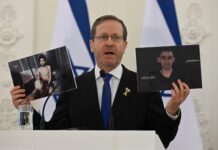
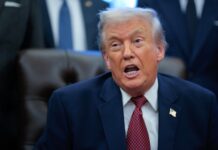
The premier portrayed his domestic corruption case as baseless, saying the main bribery count had already been dropped and that remaining allegations involve gifts such as cigars and champagne. He expressed hope that Israeli President Isaac Herzog would grant him a pardon following his formal request. President Donald Trump also wrote to Herzog asking him to pardon Netanyahu.
Sorkin noted that Netanyahu had appeared in court on the day of the interview, to which the prime minister responded that he is “supposed to spend three times a week, eight hours a week in that trial.”
Netanyahu called the trial “nonsense” and a “joke.” He prefaced those criticisms with a pivot to policy priorities, saying, “You know, I’ve got a few other things to do, and I think history beckons. We have opportunities for peace. We have enormous opportunities in AI and quantum and other things. I’ve already revolutionized the Israeli economy once into a free-market economy and it’s become a juggernaut, and now we have the ability to seize the future, which will not only help us but help the entire Middle East—the world, really.”