

























The United States and Iran reached an “in principle agreement” to extend their fragile ceasefire beyond next week to allow more time for diplomacy, regional officials told The Associated Press on Wednesday.
Mediators have been working to salvage the truce before it expires on April 22.
According to AP, negotiators are also seeking compromises on Iran’s nuclear program, freedom of navigation in the Strait of Hormuz, and compensation for wartime damages—key disputes that derailed talks last weekend.
U.S. President Donald Trump told Fox News host Maria Bartiromo in an interview that aired on Wednesday that the Iran war was “very close to over,” adding that “if I pulled up stakes right now, it would take them 20 years to rebuild their country. And we’re not finished. We’ll see what happens. I think they want to make a deal very badly.”
The president emphasized that Iran can never possess a nuclear weapon, saying that “if they’re going to have a nuclear weapon, we’ll be living with them for a little while. But I don’t know how much longer they can survive. I don’t know how much longer they can go.”
He also said that that Americans could see lower gas prices once the conflict with Iran ends, which he said is likely to happen before the November midterm elections. “Gasoline is coming down very soon and very big,” Trump said.
Trump also told ABC News reporter Jonathan Karl that he is considering extending the two-week ceasefire announced by the president on April 7, but that he doesn’t think it will be necessary.
“I think you’re going to be watching an amazing two days ahead. I really do,” Trump said, according to an X post by Karl on Wednesday morning.
Karl said that he asked the president if the war ends with a deal or “do you just say, look, we knocked out their capability and that’s it?” Trump replied: “It could end either way, but I think a deal is preferable because then they can rebuild. They really do have a different regime now. No matter what, we took out the radicals. They’re gone, no longer with us.”
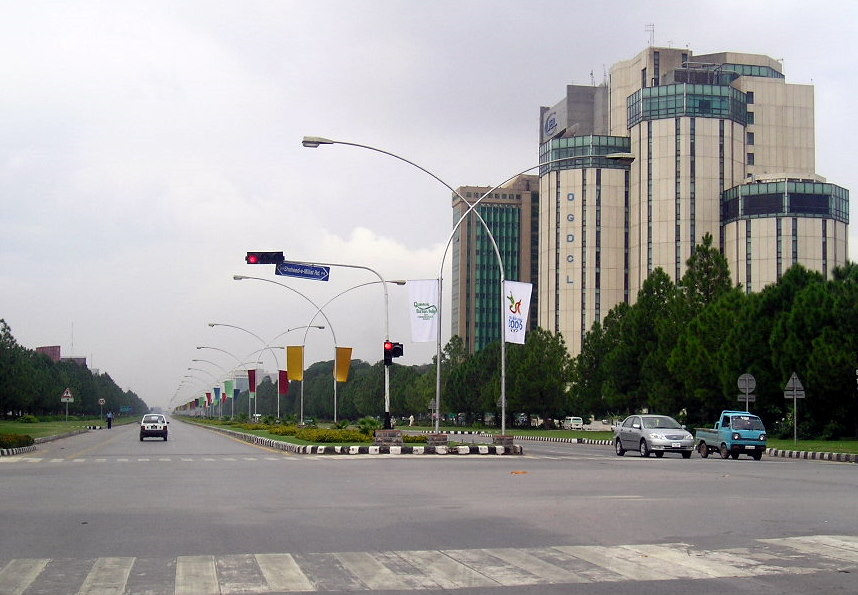
The president’s comments come amid reports that U.S. and Iranian negotiating teams could return to Islamabad as early as this weekend for a fresh round of talks, following the collapse last weekend of marathon high-level meetings between the two sides in Pakistan’s capital.
Jerusalem and Washington launched joint military operations against the Islamist regime ruling Iran on Feb. 28, hitting tens of thousands of targets, including Tehran’s ballistic missile and nuclear weapons programs, before the truce took hold.
Washington has set out firm red lines in further talks with Tehran, including an end to all uranium enrichment, dismantling major enrichment facilities, recovering highly enriched material, fully reopening the Strait of Hormuz without tolls, securing a broader peace that covers regional allies and halting support for terrorist proxies such as Hezbollah in Lebanon and Yemen’s Houthi rebels, according to two U.S. officials briefed on the negotiations and cited by the Journal.
The Trump administration has made clear that Iran’s enriched uranium is the “central issue” in the negotiations with the Islamic Republic, Israeli Prime Minister Benjamin Netanyahu said on Monday.
U.S. Vice President JD Vance, who led the American negotiating team last weekend, called Netanyahu following the breakdown in the Islamabad talks and clarified “that the central issue on the agenda for President Trump and the U.S. is the removal of all enriched material, and ensuring there is no more enrichment in the coming years, and this could be for decades—no enrichment inside Iran,” the Israeli leader told reporters at a Cabinet meeting in Jerusalem.
“This is their focus, and of course, it is important to us as well,” said Netanyahu.